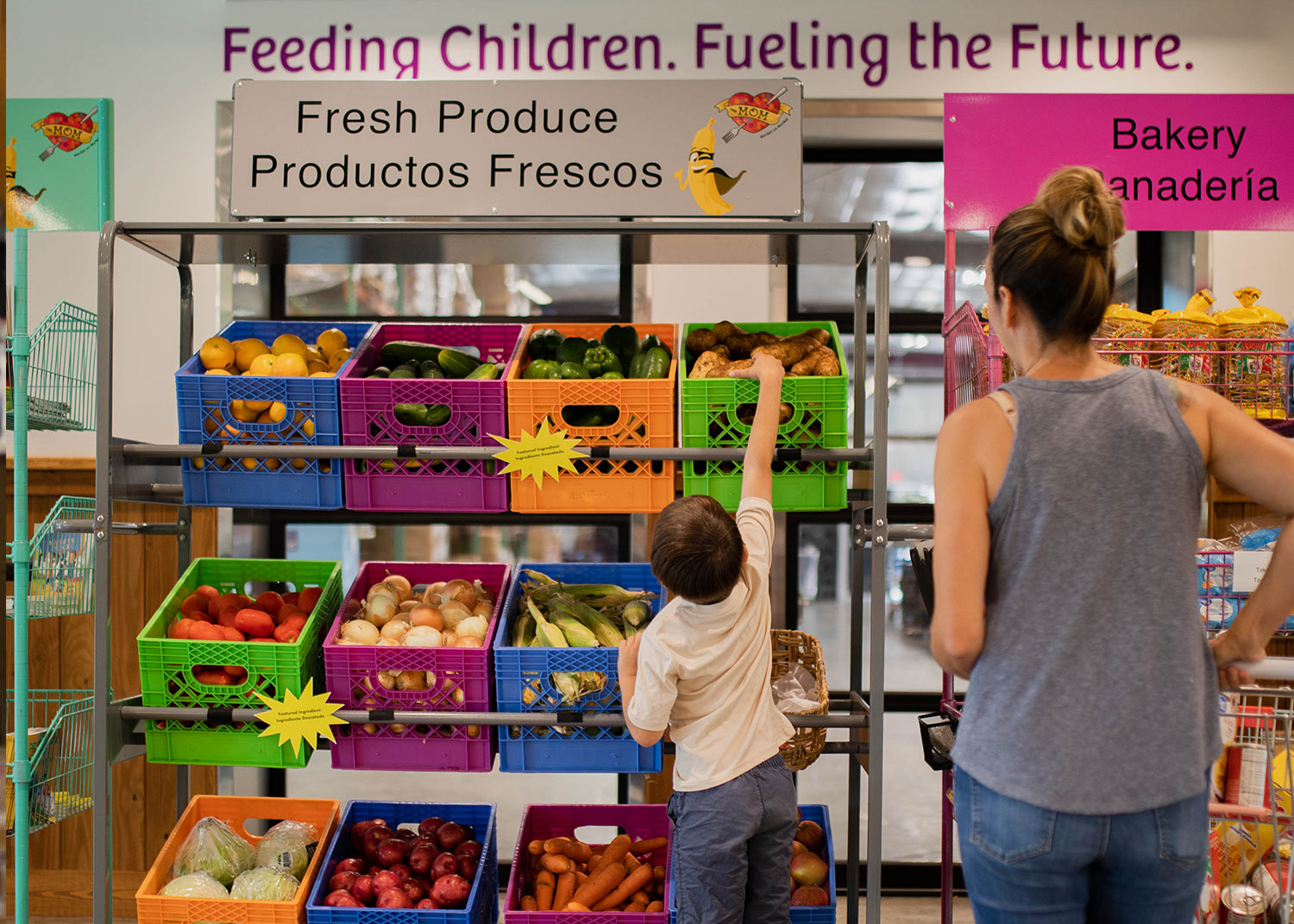
- “I’ve heard that some of these people are going from food bank to food bank, how do you know they aren’t doing that with you?”
- “I thought that’s what food stamps were for, so are they also getting food stamps?”
- “How are you verifying that these kids are really food insecure?”
First things first—people should ask tough questions about our work-especially clients and donors. We welcome it and I personally love the conversation. So, let’s get into it:
Q1) “I’ve heard that some of these people are going from food bank to food bank. How do you know they aren’t doing that with you?
Research on food insecurity shows that individuals and families often rely on multiple sources to meet their nutritional needs, particularly during periods of acute hardship. The practice of visiting multiple food distribution points reflects unmet need rather than exploitation. In fact, the stigma surrounding food insecurity and the logistical challenges (transportation, time off work, etc.) associated with accessing multiple food banks often deter individuals from seeking additional help.
Q2) “I thought that’s what food stamps were for. Are they also getting food stamps?”
Supplemental Nutrition Assistance Program (SNAP), commonly referred to as food stamps (and no longer the preferred nomenclature), is designed to cover a portion of a household’s food budget, not the entirety. We repeatedly hear from our families that they receive very little SNAP benefits and that they come to us when those run out – typically towards the end of the month. Food programs play a complementary role, addressing gaps that SNAP alone cannot fill. Additionally, participation in SNAP is subject to eligibility criteria, and some families who experience food insecurity may not qualify for benefits.
Q3) “How are you verifying that these kids are really food insecure?”
We rely on our network of 100 partners (schools, pediatrician offices, non-profits, local government agencies, etc.) to identify and refer kids to our programs. We trust these “boots on the ground” folks to refer kids. If they say there is a need, we believe them. In schools, McKinney-Vento (homeless) children are often enrolled first. In doctors’ offices they use the Hunger Vital Sign – a validated food insecurity screening tool or a Social Determinants of Health questionnaire. But honestly, in most cases, they are just listening to the kids and families in their care. Caregivers can also contact NNC for enrollment but like all referrals, the school social worker or counselor must approve it.
There are two points I want to make here:
1) Food insecurity is a complex issue intertwined with multiple other, often systemic, issues that no one entity can solve alone. Families facing food insecurity need a strong, interconnected ecosystem of support—free school meals, food banks and pantries, mental health and social services, living wages, affordable housing, healthcare access, reliable transportation, etc. Each of these pieces plays a critical role in ensuring that children have the nourishment they need to grow, learn, and thrive.
2) It takes a village to ensure no child goes hungry, and families should never be judged for using every resource available to feed their kids. Instead of questioning their need, we should focus on strengthening the support system that helps them thrive.
By working together, we can create a community where no child goes hungry, and every family has the resources to build a brighter future.
– Steve McCrossan, Executive Director